Furniture & design
The art of furniture design has evolved dramatically to meet the demands of contemporary living. Where once a sofa was simply a sofa and a table merely a surface for dining, today’s furnishings increasingly serve multiple functions, transforming spaces and adapting to our changing daily needs. This evolution represents far more than a passing trend—it reflects fundamental shifts in how we inhabit our homes and interact with our environments.
Understanding multi-purpose furniture requires looking beyond aesthetic appeal to examine the engineering, materials, and design philosophy that separate exceptional pieces from disappointing purchases. This comprehensive exploration will equip you with the knowledge to evaluate transformation mechanisms, select appropriate materials, avoid common design traps, and maintain functionality for years to come. Whether you’re furnishing a compact urban apartment or simply seeking smarter use of space, these insights will transform how you approach furniture selection.
Why Multi-Purpose Furniture Defines Modern Living
Urban dwellings have been shrinking steadily across major cities worldwide. The average apartment size in many metropolitan areas now hovers around 700-900 square feet, creating genuine challenges for those seeking comfortable, functional living spaces. This spatial constraint has elevated multi-purpose furniture from novelty to necessity, fundamentally changing how designers approach residential furnishings.
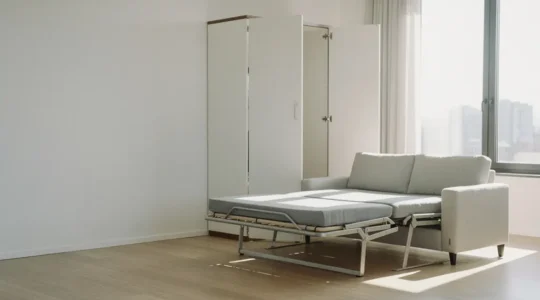
Beyond square footage considerations, contemporary lifestyles demand unprecedented flexibility. The same space that serves as a home office during working hours might transform into a dining area by evening and accommodate overnight guests on weekends. A well-designed convertible piece—whether a sofa that unfolds into a bed, a coffee table that rises to dining height, or an ottoman concealing storage—enables this fluid use of space without compromising comfort or style.
Consider the financial dimension as well. Investing in one high-quality convertible piece often proves more economical than purchasing multiple single-function items. A sofa-bed that genuinely provides comfortable seating and restful sleeping eliminates the need for both a couch and a guest bed, while consuming only the footprint of one. This consolidation represents intelligent resource allocation, particularly for those establishing their first independent living spaces or adapting to downsized accommodations.
Evaluating Quality for Long-Term Performance
The transformation mechanism represents the heart of any multi-purpose furniture piece. Unlike static furniture where structural integrity remains constant, convertible pieces subject their mechanical components to repeated stress cycles. Understanding what separates robust engineering from fragile construction can mean the difference between a decade of reliable service and frustration within months.
Inspecting Mechanism Quality
Before committing to any convertible piece, examine the hardware closely. Metal components—particularly steel rather than aluminum—indicate serious engineering. Look for substantial hinges, smooth-gliding rails, and positive-locking mechanisms. Think of it like examining a folding knife: quality pieces exhibit precision machining, minimal play in joints, and secure locking positions.
When evaluating a piece in person, perform the transformation yourself multiple times. Pay attention to these critical indicators:
- Resistance or catching during movement suggests misalignment or inadequate tolerances
- Audible clicks or snaps when locking into position indicate positive engagement mechanisms
- Wobbling or flexing in the deployed position reveals structural weakness
- Exposed hardware should show quality finishing without sharp edges or rough surfaces
Manufacturers confident in their engineering typically provide warranty coverage specifically for mechanical components. A five-year or longer mechanism warranty signals the manufacturer stands behind their design—a reassuring indicator when comparison shopping.
Testing the Ease of Transformation
Even the most brilliantly engineered mechanism fails if it’s too cumbersome for regular use. Apply the “one-person rule”: if you cannot comfortably transform the piece alone within 30 seconds, you’ll likely avoid using its convertible features, essentially purchasing expensive single-function furniture.
Quality designs incorporate thoughtful details that facilitate transformation. Gas-lift assists on rising tables, counterbalanced arms on wall beds, and clearly marked release points all distinguish user-centered design from engineering-centered design. During your evaluation, attempt the transformation without consulting instructions—intuitive operation suggests designers prioritized real-world usability.
Consider the physical effort required as well. Transforming furniture shouldn’t demand significant strength or create risk of pinched fingers. Smooth, controlled motion throughout the transformation cycle indicates proper engineering and appropriate component selection.
Material Choices That Endure Heavy Use
The surfaces we interact with daily determine our long-term satisfaction with furniture. While frame construction and mechanisms matter enormously, the upholstery and exposed materials directly impact daily experience and durability under real-world conditions.
Choosing the Right Upholstery for Heavy Use
Upholstery selection involves balancing aesthetics, comfort, and durability—a particularly crucial consideration for convertible pieces that serve multiple functions and endure varied use patterns. A sofa-bed’s fabric, for instance, must withstand both seated use and the abrasion from sheets and body contact during sleeping configurations.
Professional designers reference the Martindale test, which measures fabric resistance to abrasion through repeated rubbing cycles. Residential upholstery should minimally achieve 15,000 cycles, while heavy-use pieces benefit from fabrics rated 25,000 cycles or higher. Microfiber, tightly woven polyester blends, and quality leather alternatives typically excel in these durability tests while remaining accessible price points.
Practical considerations extend beyond pure durability:
- Households with pets benefit from tight weaves that resist claw snags and hair embedding
- Families with young children require easily cleanable surfaces or removable, washable covers
- High-humidity environments demand mold-resistant materials and breathable constructions
- Pieces near windows need UV-resistant fabrics to prevent fading
Remember that the most durable fabric proves pointless if you find it uncomfortable or visually unappealing. Seek the sweet spot where performance meets preference, ensuring your investment delivers both longevity and daily satisfaction.
Avoiding Design Pitfalls
The marketplace offers countless convertible furniture options, but not all represent sound design thinking. Understanding common pitfalls helps you identify pieces that promise more than they deliver, protecting both your investment and your living space’s functionality.
The “Swiss Army Knife” Syndrome
This phenomenon describes pieces attempting too many functions simultaneously, ultimately performing none particularly well. Like a Swiss Army knife that includes every possible tool while being awkward to actually use, furniture suffering from this syndrome prioritizes versatility over excellence in core functions.
A telling example: a piece marketed as ottoman-coffee table-storage unit-side table-footrest might seem appealing initially, but consider the compromises. At coffee table height, it’s too tall for comfortable ottoman use. With storage access on top, it cannot hold beverages safely. The multiple functions create conflicts rather than complementing each other.
Combat this syndrome by identifying your two or three genuine needs rather than hypothetical possibilities. A sofa-bed serves two clear, compatible functions. A coffee table with storage beneath combines two complementary purposes. A dining table that extends for entertaining addresses one function with adaptable capacity. These represent thoughtful multi-purpose design rather than feature overload.
Ask yourself honestly: will you actually use each advertised function regularly? If certain features would only serve hypothetical future scenarios, you’re likely paying for complexity you don’t need while compromising the performance of features you’ll use daily.
Maintaining Functionality Over Time
Even superbly engineered convertible furniture requires appropriate care to deliver years of reliable service. Unlike static pieces, moving components demand periodic attention to maintain smooth operation and prevent premature wear.
Caring for Moving Parts
Establish a simple maintenance routine performed quarterly or biannually depending on use frequency. Metal mechanisms benefit from light lubrication using silicone spray or white lithium grease—avoid heavy oils that attract dust and create sticky buildup. Apply lubricant to hinges, sliding rails, and pivot points, then operate the mechanism several times to distribute it evenly.
Inspect fasteners and connection points regularly. The stress of transformation can gradually loosen screws and bolts, creating play in the mechanism and accelerating wear. Tightening these connections takes mere minutes but prevents issues that might otherwise require professional repair.
Keep moving parts clean by vacuuming rails and tracks to remove accumulated dust and debris. Think of this like maintaining a sliding door—particles in the track create resistance and accelerate component wear. For pieces with fabric-covered mechanisms, check that upholstery isn’t interfering with moving parts or getting caught during transformation.
Create a simple maintenance log noting when you’ve performed these tasks. This practice helps establish routine while providing valuable information should warranty service become necessary. Most importantly, address small issues immediately rather than continuing to use impaired mechanisms, as minor problems often cascade into major repairs if ignored.
Multi-purpose furniture represents one of design’s most practical expressions—thoughtfully engineered pieces that respect both spatial constraints and our need for adaptable living environments. By understanding how to evaluate mechanisms, select appropriate materials, recognize design compromises, and maintain functionality, you transform from passive consumer to informed decision-maker. The knowledge you’ve gained here provides the foundation for selecting pieces that will serve reliably for years, adapting to your evolving needs while maintaining the quality and performance you deserve. Take time to evaluate your specific requirements, test pieces thoroughly before purchasing, and invest in quality that rewards you daily.
How to Select Convertible Furniture for Studio Apartments That Actually Lasts 5 Years?
The longevity of convertible furniture is determined by its ability to withstand mechanical stress, not its features or style. Most failures originate from cheap plastic joints and poorly engineered mechanisms that can’t handle daily folding (cyclic loading). In-store testing must…
Read more