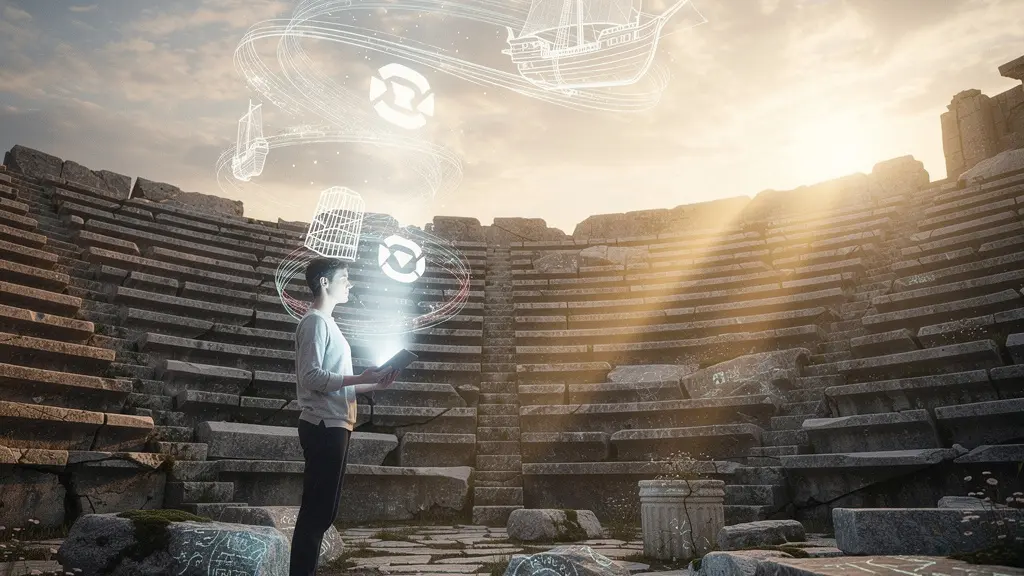
To forge a truly resonant brand epic, strategists must move beyond the simple Hero’s Journey and embrace the complex, non-linear structure of The Odyssey, where the customer’s transformation is the central plot.
- Your customer is not a generic hero but a multifaceted ‘Polytropos’—a resourceful Odysseus on a quest for their ideal self.
- Authenticity is earned through struggle; a brand story without challenges feels fake and fails to build trust.
Recommendation: Map your customer’s journey not as a straight line, but as a series of ‘narrative islands’—serialized challenges and transformations that build anticipation and deep, lasting loyalty.
For decades, marketing directors and brand strategists have been told to use the “Hero’s Journey” to frame their brand narrative. The formula is simple and seductive: the customer is the hero, the brand is the wise mentor, and the product is the magical sword. But in a saturated digital world, this linear, predictable model is losing its power. Audiences can spot the formula from a mile away, and the resulting stories often feel flat, generic, and unearned. The campaigns lack the very soul they seek to convey, becoming just another hollow echo in the vast marketplace.
What if the key to a truly compelling, long-term brand narrative isn’t the generic Hero’s Journey, but a far older, more complex, and human epic? The Odyssey. Unlike the straightforward quest, Odysseus’s journey home is a winding, ten-year saga filled with cunning, disguise, temptation, and profound transformation. It’s a story not just of achieving a goal, but of rediscovering one’s true self. This is the model for modern branding. It recognizes the customer is not a simple hero, but a Polytropos—a person of “many turns,” resourceful, complex, and on a deeply personal quest for their own homecoming, or Nostos.
This guide abandons the simplistic mentor-hero dynamic. Instead, it provides a strategic framework for applying the nuanced structure of The Odyssey to your brand. We will explore how to position the customer as a multifaceted Odysseus, craft a call to adventure that truly compels action, and serialize your brand’s journey to build epic levels of anticipation. It’s time to stop telling stories and start building legends.
This article will guide you through the strategic pillars of this Odyssean framework. The following sections break down how to transform your marketing from a simple sales pitch into a multi-layered brand epic that resonates for years.
Summary: Your Guide to Crafting a Brand Epic
- Why is the customer (not the brand) the true Hero of your marketing epic?
- How to craft a hook that compels users to leave their comfort zone and click?
- Sage or Jester: Which archetype fits your brand’s role in the customer’s journey?
- The storytelling mistake that makes your success stories feel fake and unearned
- How to serialize your brand’s journey over 12 months to build anticipation?
- How to measure what your brand actually means to loyal customers before you change it?
- Why does a 3-second delay in image loading cost you 40% of your visitors?
- How to Align Visual Assets Across Social Media Platforms Without Losing Brand Voice?
Why Is the Customer (Not the Brand) the True Hero of Your Marketing Epic?
The single most critical shift in epic brand storytelling is a philosophical one: your brand is not the hero. It is not Odysseus. Your customer is. When a brand casts itself as the hero, the story becomes a monologue of self-praise. But when the customer is the hero, the brand transforms into a dynamic and essential force in *their* epic. It can be Athena, the disguised guide; Hermes, the deliverer of crucial tools; or the Phaeacians, who provide the final passage home. This customer-centric approach is not just a narrative nicety; it has a profound impact on engagement and conversion. In fact, strategies centered on customer-centric storytelling can drive 67% higher conversion rates than brand-focused narratives.
To truly position your customer as the hero, you must see them as Odysseus: a figure defined by the Greek word Polytropos, meaning ‘many-turned’ or ‘resourceful’. Your customer is not a flat, one-dimensional persona. They are a complex individual navigating a world of challenges, seeking to reclaim a ‘kingdom’—be it professional mastery, personal peace, or a stronger sense of identity. Your brand’s role is not to lead, but to empower their resourcefulness.
This requires a deep understanding of their true quest. By focusing on their ultimate goal, you can frame your product or service as the force that helps them overcome the “Suitors and Monsters” blocking their path. These are the steps to making them the hero of their own story:
- Identify Your Customer’s True Quest: Look beyond the immediate purchase. What is the fundamental transformation they seek? What “Ithaca” are they trying to reach?
- Acknowledge Their Odyssean Traits: Recognize and speak to their resourcefulness and multifaceted nature. Your marketing should reflect their intelligence and complexity, not treat them as a generic target.
- Position Your Brand as the Obstacle Remover: Clearly frame your role as the force that eliminates the specific barriers—the Sirens of distraction, the Cyclops of complexity—that stand in their way.
By making your customer Odysseus, your brand earns a far more powerful and trusted role in their journey, becoming an indispensable part of their personal legend.
How to Craft a Hook That Compels Users to Leave Their Comfort Zone and Click?
The hero’s journey begins with a “Call to Adventure.” In the digital realm, this is your hook—the ad, the headline, the social media post. Too often, brands create a “Siren’s Song,” a tempting but ultimately shallow promise. The Odyssean model calls for an “Athena’s Call,” a hook that is less about seduction and more about empowerment and prophecy. It doesn’t just promise a reward; it hints at a transformation that requires the user to leave their comfortable, familiar world—their digital ‘Calypso’s Island’—and embark on a meaningful journey.

This visual metaphor captures the essence of a powerful hook. The user is comfortable, perhaps even complacent. Your call to action must be a bridge to something more, an invitation to a journey of growth. It must acknowledge the comfort they are leaving behind but promise a worthwhile transformation on the other side. It is a call to become more than they are.
Case Study: Nike’s “Write Your Story”
Nike masterfully compressed this entire concept into a single hook: “Write your own story.” In a campaign featuring a young Serena Williams, this phrase acted as a powerful “Athena’s Call.” It wasn’t a direct command to buy shoes; it was an empowering prophecy. It hinted at the immense challenges and ultimate triumph of Serena’s journey, inviting the audience to begin their own transformation. This hook didn’t just sell a product; it sold the idea of becoming the hero of one’s own epic, cleverly reinforcing Nike’s core “Just Do It” ethos without ever feeling like a hard sell.
The most effective hooks don’t just ask for a click; they issue a challenge and prophesy a future, more capable self, compelling the user to take that first brave step off their island.
Sage or Jester: Which Archetype Fits Your Brand’s Role in the Customer’s Journey?
Once the customer has answered the call, your brand must assume a role. The generic “mentor” archetype is too simplistic. The Odyssey provides a richer palette of archetypes that a brand can embody at different stages of the customer’s journey. Your brand isn’t a single, static character; it’s a dynamic divine force, appearing in the right guise at the right moment to provide exactly what the hero needs. Are you the provider of strategy, the deliverer of tools, or the agent of transformation?
Understanding these nuanced roles allows you to tailor your messaging, content, and product positioning to be maximally effective at each stage of the funnel. A customer in the awareness phase needs strategic wisdom (Athena), while a customer in the consideration phase needs a specific tool (Hermes). The following table, inspired by an analysis of Odyssean brand storytelling, maps these dynamic archetypes to the customer journey.
| Odyssean Archetype | Traditional Equivalent | Brand Role | Customer Journey Stage |
|---|---|---|---|
| Athena (Strategic Guide) | Sage/Mentor | Provides wisdom and strategy | Awareness & Planning |
| Hermes (Tool Deliverer) | Magician | Delivers critical resources | Consideration |
| Circe (Transformer) | Alchemist | Reveals true potential | Transformation |
| Phaeacians (Patron) | Ruler | Listens and provides final transport | Post-Purchase |
Choosing the right archetype is a matter of strategic intent. A B2B software company might embody Athena in its whitepapers and webinars, offering strategic guidance. Then, during a demo, it becomes Hermes, delivering the magical tool that solves the problem. A personal coaching brand might act as Circe, helping clients confront their inner “beasts” and transform them into strengths. The key is fluidly shifting roles to serve the hero’s needs, not locking your brand into a single, rigid personality.
This dynamic approach ensures your brand remains relevant and essential from the first click to long after the purchase, guiding the hero all the way home.
The Storytelling Mistake That Makes Your Success Stories Feel Fake and Unearned
The climax of any customer story should be their success. Yet, many brand-produced testimonials and case studies feel hollow and unconvincing. Why? Because they skip the most important part of the epic: the struggle. A victory without a visible challenge feels unearned and inauthentic. In The Odyssey, Odysseus is only recognized by his old nurse, Eurycleia, when she sees the unmistakable scar on his thigh—a mark from a boar hunt in his youth. This scar is the proof of his identity, a testament to a real, painful journey. It makes his return authentic.
Your brand’s success stories need this “unmistakable scar.” They must showcase the customer’s legitimate struggle before highlighting their triumph. When a story jumps straight to the happy ending, it breaks the audience’s trust. This is backed by research showing that 92% of consumers trust peer recommendations and authentic stories far more than polished corporate messaging. The “scar” is the element of peer-to-peer truth that makes a story believable.
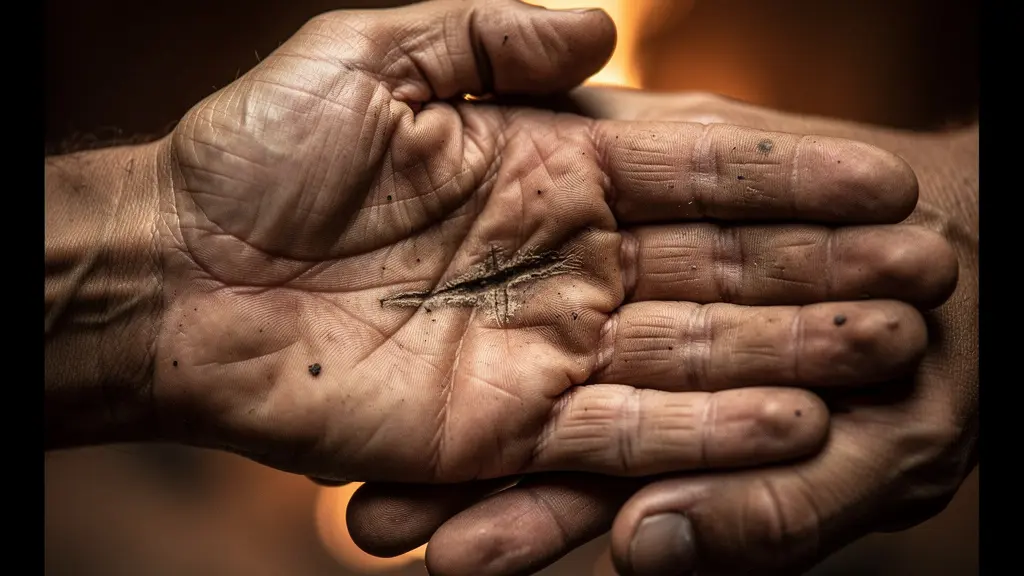
Don’t be afraid to show the “before.” Detail the problem your customer faced in all its frustrating reality. Talk about the failed attempts they made before finding your solution. This struggle is the narrative tension that makes the resolution satisfying. It’s the boar hunt that leaves the scar. When you present a customer’s success, don’t just show the pristine “after” photo; show the mark that proves they earned it. This is the moment of Anagnorisis, or recognition, where the audience sees the genuine truth in the story.
By embracing the struggle, your success stories transform from sterile advertisements into powerful, relatable testaments to your customer’s resilience—and your brand’s true value.
How to Serialize Your Brand’s Journey Over 12 Months to Build Anticipation?
An epic is not a single sprint; it’s a long, serialized journey. The Odyssey is not one story, but a collection of episodes—the Telemachy, the Apologoi, the Nostos—that build on each other. A modern brand epic must adopt this same structure, trading one-off campaigns for a year-long narrative arc that builds anticipation and deepens engagement over time. Instead of a linear marketing calendar, think in terms of “narrative islands,” where each quarter or content series represents a distinct challenge and transformation for your audience.
This episodic approach keeps your audience hooked, waiting to see what happens next. It transforms passive consumers into an active audience following a story. A powerful way to structure this is by dividing a 12-month calendar into the three major movements of The Odyssey. This creates a natural rhythm of discovery, adventure, and homecoming for your content strategy.
Case Study: Docker Buildcloud’s “Narrative Islands”
Docker Buildcloud provides a brilliant example of this in action. They structured their quarterly campaigns as “islands” of challenges their customers face. Q1 was the ‘Land of the Lotus-Eaters,’ focused on overcoming developer apathy. Q2 was ‘Scylla and Charybdis,’ navigating difficult strategic choices. This episodic format transformed a standard marketing plan into a compelling adventure, with each chapter building towards a final reveal where the brand’s true power emerged from its “disguise” to save the day.
Structuring your content this way provides a powerful framework for long-term planning. Below is a checklist to help you build your own year-long brand epic.
Your 12-Month Epic: A Content Plan Framework
- Months 1-3 (The Telemachy): Focus on discovery for new audiences. Create content addressing the initial problem or need, like Odysseus’s son Telemachus searching for news of his father. This is for users just realizing their ‘kingdom’ is in disarray.
- Months 4-9 (The Apologoi): Share origin stories and transformative journeys through in-depth customer case studies. Let your successful customers recount their adventures, just as Odysseus told his tales to the Phaeacians. This is the heart of the epic.
- Months 10-12 (The Nostos): Build towards a major launch or culmination. This is the ‘homecoming.’ All narrative threads converge for a big reveal, a new product launch, or a celebration of the year’s customer transformations.
This method ensures your brand remains a constant, evolving presence in your customer’s world, building a story they want to be a part of for the long haul.
How to Measure What Your Brand Actually Means to Loyal Customers Before You Change It?
Before Odysseus can reclaim his throne, he must first understand what his identity truly means to those who remained loyal. He returns in disguise to observe. For a brand, this is a critical step before any major rebrand or strategic shift. You must measure what your brand *actually* means to your most loyal customers, not what you *think* it means. Generic surveys are not enough; you need to find your “Argos customers”—the few who recognize you no matter the disguise. This aligns with data showing that 76% of consumers prefer brands that help them achieve personal growth, and your loyalists are the ones who can articulate how you’ve helped them.
This process is about identifying the true, non-negotiable essence of your brand—its “unmistakable scar.” It requires qualitative, almost anthropological research. Instead of asking “What do you like about our brand?”, you need to ask questions that reveal behavior and deep-seated beliefs. One powerful metric is what can be called the “Penelope’s Shroud” metric. Penelope delayed her suitors by weaving a shroud by day and un-weaving it by night. This metric measures the delay tactics and workarounds your most loyal customers use to avoid choosing a competitor while they wait for your next innovation or update. It’s a powerful indicator of true loyalty.
Identifying your “Argos customers” is equally important. Argos was Odysseus’s old dog, the only creature to recognize him immediately upon his return, despite his rags. These are your ultra-loyal customers who see the core of your brand beyond its surface-level packaging. They can only be found through deep, one-on-one interviews, not mass surveys. They are the keepers of your brand’s authentic story, and their insights are priceless before making any changes that could alienate the very people who have kept your kingdom intact.
By listening to your most loyal followers in disguise, you can ensure that when you finally reveal your new self, you are still the hero they have been waiting for.
Why Does a 3-Second Delay in Image Loading Cost You 40% of Your Visitors?
In the world of The Odyssey, one of the most sacred social codes was Xenia: the ancient Greek concept of hospitality. It was a divine duty to welcome a stranger, offer them food and drink, and hear their story before asking their name. In the digital age, your website’s performance is your Xenia. When a potential customer—a weary traveler arriving at your digital shores—is met with a slow-loading page, it is a fundamental breach of this sacred trust. It is an act of inhospitality.
A three-second delay in loading that costs you 40% of your visitors is not just a lost metric; it’s a narrative failure. It dissolves the story’s momentum before it even has a chance to begin. The user’s motivation drains away, and your website becomes a digital “Land of the Lotus-Eaters”—a place of broken promises where the hero’s drive evaporates. The journey ends before it starts, not because the story was bad, but because the welcome was poor.
Site Performance as Epic Hospitality: The ‘Xenia’ Principle
Thinking of site performance through the lens of Xenia reframes it from a technical task to a core part of the brand story. Every optimized image, every streamlined script, every cached asset is an act of welcome. It tells the visitor: “We have been expecting you. We value your time. Your journey is important to us.” This builds subconscious trust and goodwill, setting the stage for the hero to be receptive to the brand’s guidance. A fast, seamless user experience is the modern equivalent of offering the best chair by the fire. It’s the first and most critical chapter in demonstrating that your brand is a worthy guide.
As marketing expert Tornado Marketing notes, the ultimate goal is clear. They state in their analysis, “The Hero’s Journey in Marketing”:
A customer who feels like the hero becomes your loudest marketer.
– Tornado Marketing, The Hero’s Journey in Marketing
By treating every visitor as an honored guest, you ensure they are willing to stay and listen to the epic tale you have to tell.
Key Takeaways
- The Customer is Odysseus: Shift your focus from the brand as hero to the customer as a complex, resourceful protagonist (Polytropos) on a personal quest for their ideal self (Nostos).
- Embrace the Scar: Authentic stories require struggle. Showcase your customer’s challenges to make their triumphs feel earned, credible, and powerful. This is their ‘unmistakable scar’.
- The Brand is a Dynamic Guide: Your brand is not a static mentor but a divine, shapeshifting force (like Athena) that adopts different archetypes to serve the hero at each stage of their journey.
How to Align Visual Assets Across Social Media Platforms Without Losing Brand Voice?
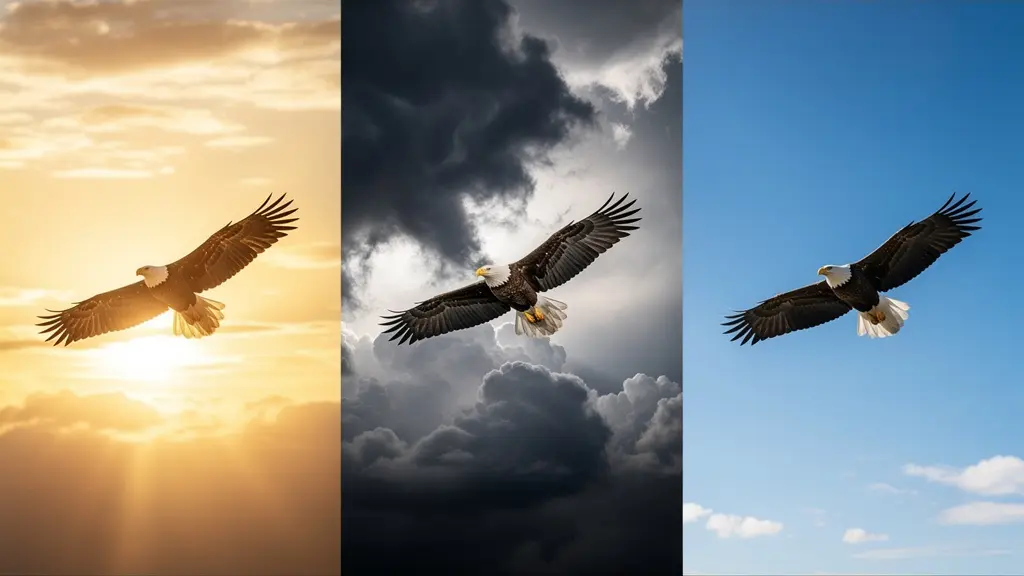
In his journey, Odysseus is a master of disguise. He is a beggar on Ithaca, a storyteller in Phaeacia, a hero in battle. He adapts his appearance to the context, yet his core identity—his cunning intelligence, or Metis—remains constant. A modern brand must be just as adept, aligning its visual assets across diverse social media platforms while maintaining its core voice and identity. Each platform has its own culture and expectations; a one-size-fits-all visual strategy will fail.
The key is to think of your visual presence on each platform as a strategic “disguise.” Your LinkedIn presence might be the polished, professional storyteller, while your TikTok is the playful trickster. The visuals should adapt to the native language of the platform, but a core, unifying thread must run through them all. This thread is your “visual omen”—a recurring symbol, color palette, or compositional style that acts like the divine signs that guide heroes in epic tales. It’s the subtle marker that tells your audience, “This is us,” no matter the context.
This table, based on a framework for adapting brand stories to different platforms, illustrates how to execute these visual disguises without losing your soul.
| Platform | Odysseus’s Disguise | Visual Execution | Core Identity Marker |
|---|---|---|---|
| The Storyteller in Phaeacia | Professional, data-rich visuals | Consistent ‘Visual Omen’ patterns | |
| The Beggar on Ithaca | Raw, authentic imagery | Signature color combinations | |
| YouTube | The Hero Revealed | Dynamic, narrative-driven | Recurring symbolic elements |
| TikTok | The Trickster | Playful, experimental | Underlying story structure |
Now that you have the complete map for your epic, the next step is to begin charting your own customer’s journey. Start by identifying their true “Ithaca” and the “monsters” that stand in their way, and you will have laid the foundation for a brand legend.
Frequently Asked Questions about Odyssean Brand Storytelling
What is the ‘Penelope’s Shroud’ metric?
It measures the ‘delay tactics’ loyal customers use to avoid choosing competitors – workarounds, community discussions, or brand mentions while waiting for your next move.
Who are your ‘Argos customers’?
These are the few ultra-loyal customers who recognize your brand’s core essence regardless of packaging changes – identified through deep one-on-one interviews rather than surveys.
How do you identify your brand’s ‘unmistakable scar’?
Look for the one foundational story, feature, or value inextricably linked to your identity – the detail loyal customers can articulate that proves your authentic journey.