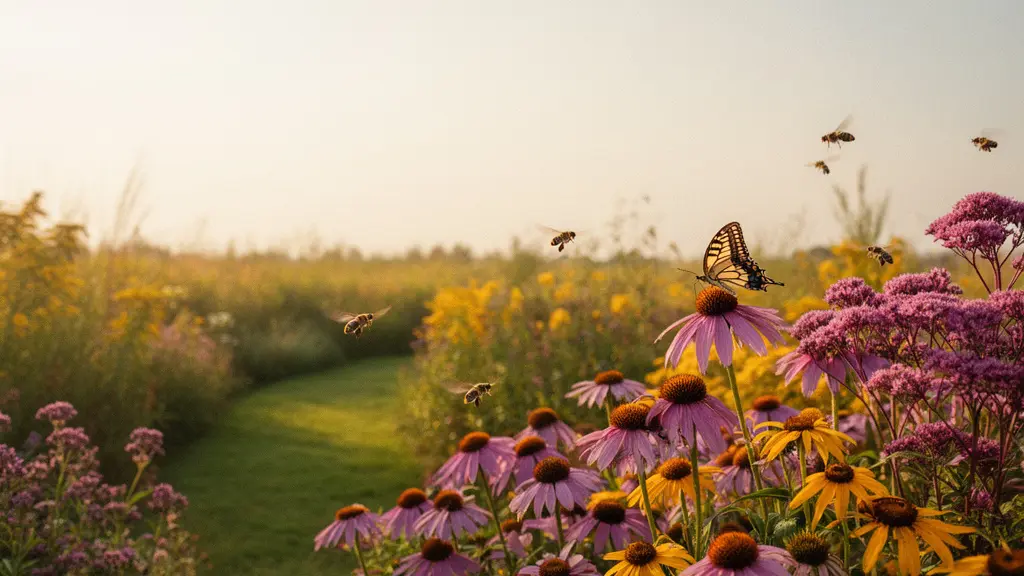
Most pollinator gardens fail because they focus on adult nectar while ignoring larval food, soil biology, and winter shelter.
- Native plants support up to 15 times more caterpillars than exotics, providing essential larval food rather than just sugary nectar.
- Continuous bloom from March to October requires strategic phenological sequencing, not random planting.
- Ecological “messiness”—standing winter stems and natural darkness—constitutes sophisticated habitat architecture, not neglect.
Recommendation: Begin your restoration with soil regeneration and end with a moon garden to support 24/7 pollinator activity cycles.
You have planted the coneflowers. You have added the butterfly bush. Yet your garden remains eerily quiet, lacking the buzzing vitality promised on those nursery tags. The disconnect lies not in your enthusiasm, but in a fundamental misunderstanding of pollinator ecology. Most gardening advice focuses exclusively on adult butterflies sipping nectar and bees gathering pollen, creating what amounts to ecological junk food landscapes—visually pleasing but biologically hollow.
These conventional approaches ignore the complex trophic relationships that sustain insect populations. We obsess over bloom color while neglecting the soil food web that feeds the plants. We deadhead spent flowers and clear autumn debris, unknowingly destroying the next generation of pollinators overwintering in hollow stems and leaf litter. We install solar path lights that blaze all night, disorienting nocturnal moths that pollinate while we sleep.
True pollinator support requires designing ecosystem architecture that functions from the microbial soil layer upward, through the winter freeze, and into the darkness of night. It demands accepting that a garden’s ecological “messiness” represents sophisticated functionality, and that genuine beauty emerges from biological utility rather than cosmetic perfection. This guide explores the critical mechanisms—larval nutrition, nativar selection, phenological sequencing, suburban design strategies, winter habitat preservation, soil regeneration, and darkness management—that transform ornamental spaces into thriving biodiversity engines.
For those who prefer visual learning, the following video provides a comprehensive overview of the principles discussed in this guide, presenting the essential concepts in a condensed, accessible format.
To transform your landscape into a functional pollinator sanctuary, you must address seven critical ecological layers. The sections below examine why exotic flowers fail to sustain local populations, how to identify degraded cultivars, methods for ensuring continuous food supply, design strategies for restrictive neighborhoods, the importance of winter habitat, soil biology fundamentals, and the crucial role of darkness in supporting nocturnal pollinators.
Table of Contents: Designing Native Ecosystems for Pollinator Survival
- Why do exotic flowers fail to feed native bee larvae even if they have nectar?
- How to identify “nativars” (cultivars) at the nursery that have lost their ecological value?
- How to sequence your planting so there is food for pollinators from March to October?
- Meadow or Formal Border: Which native style fits a suburban HOA neighborhood?
- When to cut back stems: Why leaving “messy” stalks in winter saves hibernating insects
- Why synthetic fertilizers act like “fast food” and starve soil biology in the long run?
- Why do solar lights dim by 50% when the battery gets cold?
- How to Restore Life to Dead Soil Using Permaculture Principles?
Why Do Exotic Flowers Fail to Feed Native Bee Larvae Even If They Have Nectar?
Exotic ornamental plants often produce abundant nectar, creating the illusion of pollinator support. However, this represents only half the nutritional equation. While adult bees and butterflies may visit non-native flowers for energy-rich nectar, their larvae—the next generation—frequently cannot digest the foliage of these foreign plants. This evolutionary mismatch stems from millions of years of co-adaptation between native insects and indigenous flora.
Specialist bee species and butterfly caterpillars possess detoxification enzymes specifically evolved to handle the chemical defenses of local plants. When confronted with exotic species, these larvae often starve despite the apparent abundance of greenery surrounding them. Recent ecological research demonstrates that up to 15 times more caterpillars supported by native plants versus non-native alternatives, translating directly into more food for nestling birds and robust pollinator populations.
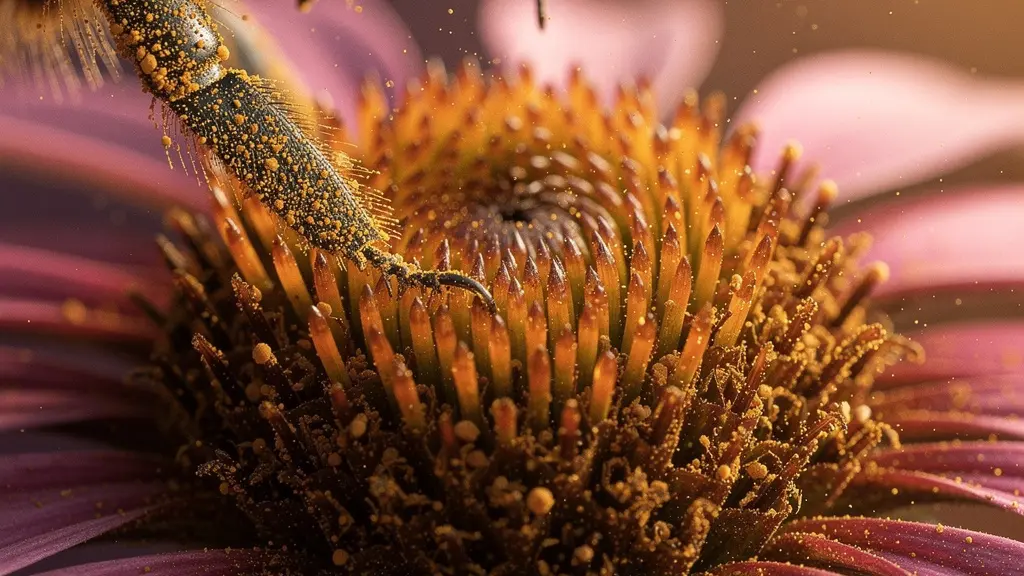
The microscopic structure of native pollen also differs significantly from exotic varieties, often containing the specific proteins and lipids required for larval development. Without these foundational food sources, pollinator populations face extirpation even in gardens filled with blooming flowers. Coevolutionary relationships between native flora and fauna create dependencies that cannot be replaced by horticultural substitutes, regardless of how attractive those exotics appear to human observers.
True pollinator conservation requires viewing gardens not as decorative spaces, but as critical habitat patches within fragmented urban landscapes.
How to Identify “Nativars” (Cultivars) at the Nursery That Have Lost Their Ecological Value?
Plant breeders have responded to native plant popularity by creating “nativars”—cultivated varieties of native species selected for specific traits like double flowers, unusual colors, or compact growth. While these plants bear native DNA, human selection often inadvertently strips away the ecological functionalities that make natives valuable to wildlife. Identifying these degraded varieties requires careful observation and label literacy.
Research from the Mt. Cuba Center illustrates this variation dramatically. In trials comparing 66 selections of Garden Phlox, Phlox paniculata ‘Jeana’ received over 530 butterfly visits during observation periods, while second-place ‘Lavelle’ received only 117. Researchers attributed Jeana’s success to smaller flowers positioned closer together, facilitating nectar access. This demonstrates that informed selection distinguishes between cosmetic breeding and functional ecology.
4 Red Flags to Spot Ecologically Degraded Nativars
- Check for double flowers — when extra petals replace reproductive parts (stamens), the flower becomes sterile and offers no pollen or nectar, as demonstrated with Echinacea ‘Pink Double Delight’.
- Look for drastic foliage color changes — research by Doug Tallamy at Mt. Cuba Center found that purple-leaved cultivars deter caterpillar feeding due to elevated anthocyanin levels.
- Read the label like a botanist — a name in single quotes (e.g., ‘Double Scoop’) or a trademark symbol (™) after the name signals a cultivar; the Latin species name (e.g., Echinacea purpurea) is the true native identity.
- Perform the live pollinator test — stand and observe for 5-10 minutes; in Penn State Extension’s Pollinator Trial, straight species were preferred by pollinators only 50% of the time, meaning some nativars are equal or better, but observation is key.
Selecting functionally equivalent or superior nativars requires balancing aesthetic desires with biological reality, prioritizing open-pollinated straight species when ecological value remains uncertain.
How to Sequence Your Planting So There Is Food for Pollinators From March to October?
Pollinator populations do not emerge all at once. Early-season solitary bees appear when temperatures barely exceed 50°F, while migratory monarchs require late-season nectar to fuel their journey south. A garden that blooms only in June provides effectively no habitat for the remaining eleven months. Creating continuous nutritional support requires understanding phenological succession—the seasonal timing of biological events.
Strategic sequencing ensures that as one species finishes blooming, another begins, creating an unbroken chain of resources. Continuous bloom throughout the growing season is the single most critical factor for supporting the greatest pollinator species richness, according to multi-region research published in Ecological Applications. This temporal diversity supports specialist bees with narrow foraging windows and generalist species alike.
The following calendar illustrates how to structure a pollinator relay using native species adapted to different phenological niches:
| Season | Bloom Period | Native Plant Examples | Key Pollinators Supported |
|---|---|---|---|
| Early Spring | March–April | Willows (Salix spp.), Maples (Acer spp.), Bloodroot, Spring ephemerals | Emerging queen bumble bees, early solitary bees (mason bees) |
| Late Spring | May–June | Wild Lupine, Columbine, Wild Geranium, Serviceberry | Specialist bees, early butterflies (swallowtails, blues) |
| Early Summer | June–July | Bee Balm (Monarda), Milkweed (Asclepias), Mountain Mint | Bumble bees, monarch butterflies (egg-laying), solitary bees |
| Mid Summer | July–August | Joe-Pye Weed, Black-Eyed Susan, Blazing Star (Liatris) | Peak butterfly diversity, long-tongued bees, hummingbirds |
| Late Summer | August–September | Ironweed, Boneset, Anise Hyssop, Prairie Sunflower | Migrating monarchs, late-season bumble bee colonies |
| Fall | September–October | Goldenrod (Solidago), Asters (Symphyotrichum), Blue Curls | Bees storing winter fat reserves, migrating monarchs, late moths |
Designing with phenological succession in mind transforms static landscapes into dynamic ecosystems that track and support pollinator population cycles.
Meadow or Formal Border: Which Native Style Fits a Suburban HOA Neighborhood?
Homeowners Associations often resist native plantings, perceiving them as unkempt or weedy. This conflict stems from a cultural preference for green lawns and geometric hedges over ecological functionality. However, strategic design using “cues to care”—visual signals indicating intentional maintenance—can reconcile biodiversity with neighborhood aesthetics.
The USGS Native Bee Inventory and Monitoring Lab at Patuxent, Maryland, demonstrated this transformation successfully. Researchers converted acres of invasive plant cover into thriving native landscapes using deliberate design principles, including thick wood chip layers to suppress weeds and annual winter mowing to maintain structural definition. Within the first year after restoration, many of the region’s 200 native bee species colonized the space, along with goldfinch flocks and previously absent bird species, proving that designed native landscapes can be both ecologically rich and visually intentional.
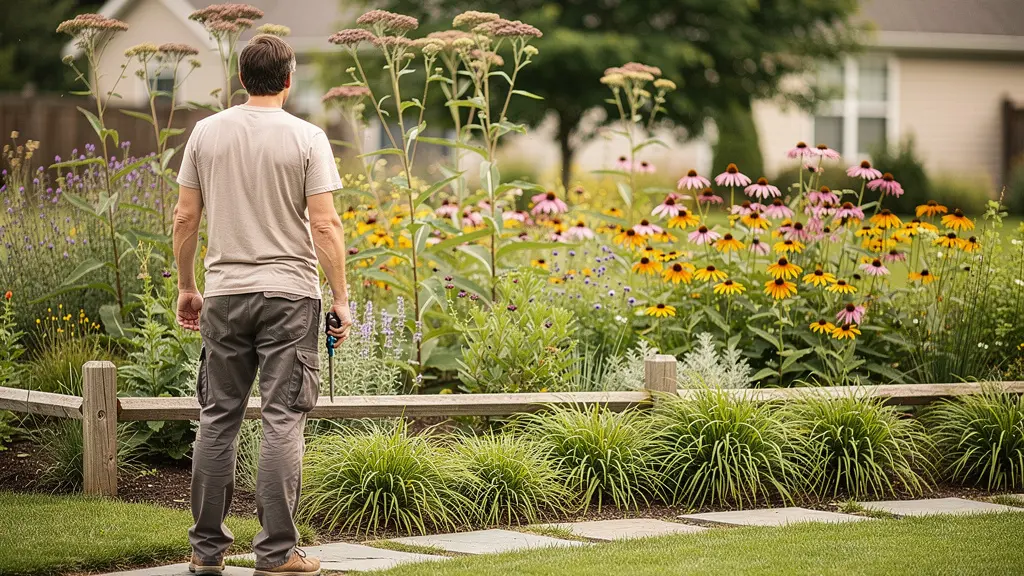
The key lies in visual framing. A meadow surrounded by mown turf reads as intentional landscape art rather than neglect. Formal borders with defined edges, repeating patterns of structural plants like Joe-Pye weed or coneflowers, and clean mulched pathways signal human stewardship while supporting robust insect populations. These design elements satisfy HOA requirements without compromising ecological value.
Successful suburban native gardens blur the line between ecological restoration and horticultural design, proving that functionality and beauty are not mutually exclusive.
When to Cut Back Stems: Why Leaving “Messy” Stalks in Winter Saves Hibernating Insects
Traditional horticultural practice demands cutting back perennial stems in autumn to maintain tidy winter gardens. This practice constitutes an ecological disaster for cavity-nesting bees and overwintering butterflies. Approximately 30% of native bee species utilize hollow stems as nesting sites, while numerous moth species pupate in leaf litter or attached to standing vegetation.
Furthermore, 70% of native bee species nest underground, requiring undisturbed soil and leaf cover to survive freezing temperatures. Removing vegetation destroys these hibernacula, effectively annihilating the next year’s pollinator workforce before spring arrives. The “messy” garden is actually a sophisticated winter survival chamber.
Spring Cleanup Protocol for Pollinator-Safe Stem Management
- Wait for the 50°F rule — do not cut back any stems until daytime temperatures have been consistently above 50°F (10°C) for at least 7 consecutive days, allowing overwintering solitary bees (mason bees, small carpenter bees) to emerge.
- Leave stems at 12-18 inch height — when you do cut back, leave 12-18 inch stubs standing in the garden rather than cutting to the ground; these hollow stems continue to serve as nesting sites for new spring-emerging cavity-nesting bees.
- Chop and drop — cut removed stalks into 6-12 inch lengths and let them fall as natural mulch in the garden bed rather than bagging and removing them; this allows any late-emerging insects to complete their lifecycle while adding organic matter to soil.
- Protect the leaf litter layer — avoid raking leaf litter from under native plantings; butterfly chrysalises, moth cocoons, and many beneficial insects overwinter in this layer, which also feeds the soil food web.
Resisting the urge to “clean up” requires reframing winter gardens not as dormant spaces, but as essential incubators for the next generation of pollinators.
Why Synthetic Fertilizers Act Like “Fast Food” and Starve Soil Biology in the Long Run?
Synthetic fertilizers provide plants with readily available nitrogen, phosphorus, and potassium, creating rapid vegetative growth. However, this chemical shortcut bypasses the soil food web—the complex community of bacteria, fungi, nematodes, and microarthropods that naturally cycle nutrients. Over time, this disruption creates sterile substrates dependent on constant chemical inputs, unable to support the mycorrhizal relationships that sustain healthy native plant communities.
Research using HoneyDNA metabarcoding from 15 U.S. cities reveals the direct consequences of this soil degradation: healthy bee colonies foraged 72.4% of their diet from native plants, while struggling colonies had only 7.2% native forage. This correlation suggests that landscapes maintained with synthetic inputs support inferior nutritional resources, even when those landscapes appear green and lush to human observers.
Native plants support thousands of other native organisms, everything from fungi and bacteria to the insects that live in them, suck on them, and eat them.
– Sam Droege, Wildlife Biologist, USGS Native Bee Inventory and Monitoring Lab
Restoring soil biology through organic matter addition and elimination of synthetic inputs creates self-sustaining fertility cycles. Living soil produces plants with higher nutritional density and greater resistance to pests, reducing the need for chemical interventions that harm pollinator populations.
Feeding the soil rather than the plant represents a paradigm shift from horticultural chemistry to ecological agriculture.
Why Do Solar Lights Dim by 50% When the Battery Gets Cold?
Solar garden lights rely on rechargeable batteries—typically nickel-metal hydride or lithium-ion—to store photovoltaic energy for nighttime illumination. When ambient temperatures drop below 50°F (10°C), the electrochemical reactions within these batteries slow significantly, reducing capacity by up to 50% and causing noticeable dimming. While gardeners often perceive this as equipment failure, this winter dimming actually creates beneficial ecological conditions.
Artificial light at night (ALAN) disrupts the navigation, mating, and feeding behaviors of nocturnal pollinators, particularly moths. Moths evolved to navigate by moonlight, and artificial lights act as fatal traps, exhausting them and making them easy prey for predators. The dimming of solar lights in cold weather inadvertently provides the darkness essential for these overlooked pollinators, who often visit white or pale flowers while diurnal bees sleep.
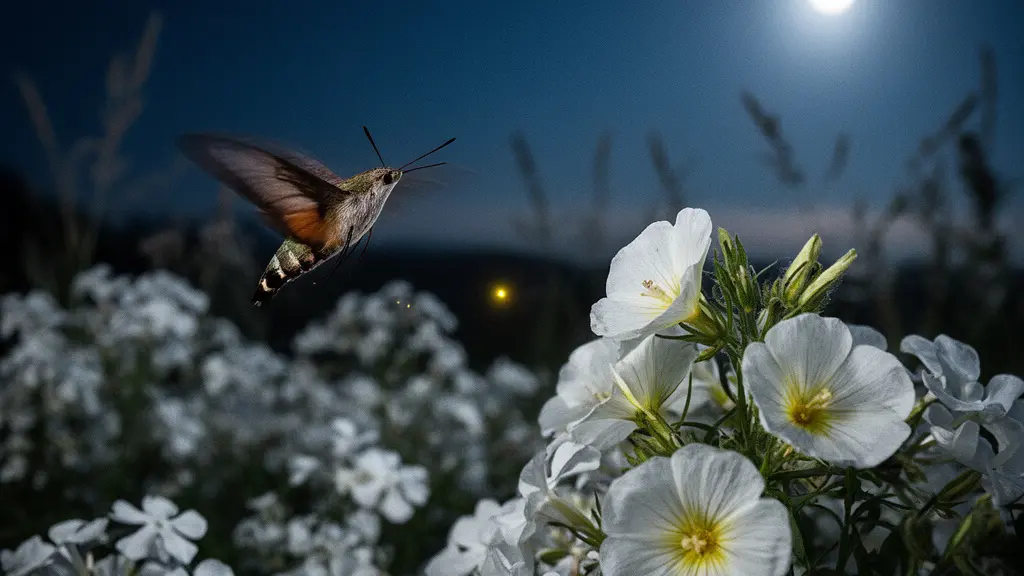
Designing moon gardens using fragrant, white-blooming natives like Evening Primrose (Oenothera) and native Phlox supports these nocturnal workers. Rather than fighting winter dimming with supplemental lighting or battery replacements, embrace the darkness as critical habitat architecture. For necessary lighting, use downward-facing, fully shielded amber LEDs (2200K or lower) with motion sensors to minimize exposure.
Protecting scotobiology—the science of darkness—completes the ecosystem by including the third of pollinator species active exclusively at night.
Key Takeaways
- Native plants provide essential larval food, not just nectar, supporting up to 15 times more insect biomass than exotic species.
- Select nativars carefully using the four red flags test (double flowers, purple foliage, trademarked names, pollinator absence) to ensure ecological function.
- Design for continuous bloom, winter stem habitat, and natural darkness to support complete pollinator life cycles from soil to sky.
How to Restore Life to Dead Soil Using Permaculture Principles?
Years of chemical dependency, compaction, and topsoil removal often leave urban and suburban soils biologically sterile. Restoring these dead substrates requires mimicking natural succession rather than forcing growth through chemical inputs. Permaculture principles offer a roadmap for regeneration without destructive tilling that disrupts existing soil structure and fungal networks.
At the USGS Patuxent facility in Maryland, researchers restored acres of degraded, invasive-covered soil using simple sheet-mulching approaches. By laying down thick layers of wood chips to smother invasive plants and replenish organic matter, combined with annual winter mowing, they created a no-dig system that suppressed weeds while allowing native seeds to germinate naturally. The results demonstrated how feeding the soil food web creates self-sustaining native ecosystems capable of supporting regional biodiversity.
5-Step Sheet Mulching Protocol to Restore Dead Soil Without Digging
- Observe and interact — perform three simple soil tests: the “earthy smell test” (healthy soil smells like petrichor from active microbes), the “squeeze test” (a handful should hold together briefly then crumble), and the “earthworm count” (dig a 1-cubic-foot hole; fewer than 5 earthworms indicates poor biology).
- Lay the foundation — place overlapping layers of plain corrugated cardboard directly on top of dead soil or existing lawn, overlapping edges by 6 inches to block light and smother weeds. Water thoroughly to begin decomposition.
- Build the layers — add 2-3 inches of quality compost on top of the cardboard, followed by 3-4 inches of coarse wood chip or leaf mulch. This “lasagna” creates a moisture-retaining, microbe-rich environment.
- Plant directly into the layers — cut small holes through the cardboard and compost to plant native plant plugs directly. Their roots will grow down through the decomposing cardboard into the native soil below as it regenerates.
- Close the loop with “Chop and Drop” — as your native plants mature, chop dead stems and drop leaves back onto the bed each season. This returns the exact nutrients the soil needs, creating a self-fertilizing cycle that eliminates the need for any synthetic inputs.
This approach transforms dead dirt into living soil capable of supporting the complex interactions between plants, microbes, and pollinators that define healthy ecosystems. The process requires patience—biological regeneration occurs over seasons, not weekends—but creates permanent fertility.
Begin your ecosystem restoration today by testing your soil’s biology and selecting your first true native species for spring planting.
Frequently Asked Questions About Nocturnal Pollinator Conservation
Why is artificial light at night harmful to pollinators?
Artificial light at night (ALAN) disrupts the navigation, mating, and feeding behaviors of nocturnal pollinators, especially moths. Moths evolved to navigate by moonlight, and artificial lights act as fatal traps, exhausting them and making them easy prey for predators.
What is a moon garden and how does it help nocturnal pollinators?
A moon garden is a planting design using fragrant, white or pale-colored, night-blooming native plants such as Evening Primrose (Oenothera), native Phlox, and Turtlehead. These plants are naturally visible under moonlight and are specifically adapted to attract and feed nocturnal moths, creating a pollinator habitat that works with darkness rather than against it.
If I need outdoor lighting, what are pollinator-safe options?
Use downward-facing, fully shielded fixtures to prevent sky-glow. Choose amber or warm-red LEDs (2200K or lower), which are far less disruptive to insects than white or blue-spectrum lights. Install motion sensors instead of dusk-to-dawn settings to minimize the duration of light exposure.