The high price of ethical fashion is a myth; the real, hidden cost lies in the endless cycle of replacing cheap, fast-fashion items.
- True affordability is measured in “Cost Per Wear” (CPW), not the initial price tag. A durable $150 item is cheaper long-term than a $20 item you replace six times.
- Building a capsule wardrobe is a strategic plan. It requires identifying genuine quality, choosing versatile foundations, and timing your purchases like a savvy investor.
Recommendation: Start by appreciating and upgrading the clothes you already own. Then, plan your first high-quality, ethical purchase by shopping off-season to maximize your budget.
You’ve seen it: the perfect, ethically-made linen shirt with a $150 price tag. Immediately, a voice in your head says, “That’s way too expensive,” especially when a similar-looking top is just $20 at a fast-fashion retailer. This feeling, this “sticker shock,” is the single biggest barrier for conscious consumers. You want to do the right thing for the planet and for people, but your budget feels like a roadblock. Many guides will tell you to “buy less, but better” or offer lists of brands, but they rarely address the core financial anxiety. They don’t give you a real, actionable plan to make the switch without breaking the bank.
The common advice often misses the point. The number of items in your closet, whether it’s 33 or 50, is less important than the strategy behind them. But what if the entire way we think about the cost of clothing is wrong? What if that $150 shirt wasn’t an expense, but an investment? The secret to building a sustainable wardrobe for under $1,000 isn’t about finding cheap ethical items; it’s about shifting your mindset from that of a short-term spender to a long-term investor. It’s about building a portfolio of clothing that holds its value, serves you for years, and ultimately saves you money.
This guide will not just give you a list of things to buy. It will provide a step-by-step financial plan to build your own ethical capsule wardrobe. We’ll dismantle the cost myth, show you how to become a savvy textile detective, and reveal the strategies for acquiring high-value pieces at the best possible price. Forget fleeting trends; it’s time to build lasting style and financial freedom, one smart purchase at a time.
To guide you on this journey, this article breaks down the process into a clear, strategic roadmap. From understanding the true cost of your clothes to making smart acquisitions, each section builds upon the last to give you a complete playbook for success.
Summary: Your Strategic Guide to an Affordable Ethical Wardrobe
- Why a $150 ethical shirt is cheaper than a $20 fast-fashion top over 3 years?
- How to spot fake “conscious collections” in 30 seconds by reading the label?
- Denim or Wool: Which fabric foundation offers the most versatility for a year-round capsule?
- The mistake of throwing away all your fast fashion items at once to “go green”
- When to buy ethical winter gear: Why shopping off-season saves you 40%
- Why a subscription model costs you $3,000 more over 5 years than perpetual licenses?
- Tomatoes or Potatoes: Which crop saves you more money at the grocery store?
- How to Insulate Your Home with Hemp or Wool for Better Thermal Regulation?
Why a $150 ethical shirt is cheaper than a $20 fast-fashion top over 3 years?
The most powerful shift in building a budget-friendly ethical wardrobe is to stop looking at the price tag and start calculating the Cost Per Wear (CPW). A $20 top that falls apart after five washes has a CPW of $4. A $150 shirt that you wear 150 times over five years has a CPW of just $1. This simple math is the foundation of your new wardrobe investment strategy. Fast fashion is built on a model of planned obsolescence, creating a constant need for replacement that drains your wallet over time. Furthermore, this cycle of overproduction and disposal has a staggering environmental toll, as the fashion industry generates 10% of global carbon emissions.
An ethically made garment is designed for longevity. The higher initial cost reflects fair wages for workers, higher-quality materials, and more durable construction. These are not just clothes; they are assets. They retain their shape, their color, and even their resale value far longer than their disposable counterparts. To truly understand the financial difference, a direct comparison is illuminating.
| Factor | $150 Ethical Shirt | $20 Fast Fashion Top |
|---|---|---|
| Initial Cost | $150 | $20 |
| Average Lifespan | 5+ years | 6-12 months |
| Replacement Needed (3 years) | 0 | 3-6 items |
| Total Cost (3 years) | $150 | $80-$120 |
| Cost per Wear (50 wears/year) | $1.00 | $1.60-$2.40 |
| Resale Value | 40-60% retention | 5-10% retention |
As the data shows, the initial “savings” from fast fashion are an illusion. Over just three years, you not only spend a similar amount but end up with an item that has a significantly higher cost per wear and virtually no resale value. Choosing the ethical option is not just a moral decision; it is the most financially sound one.
How to spot fake “conscious collections” in 30 seconds by reading the label?
Now that you understand the financial wisdom of investing in quality, the next step is ensuring your money goes to genuinely ethical products, not clever marketing. Many large brands use “greenwashing” tactics, launching “conscious collections” that are little more than a marketing ploy. The good news is that you can become a savvy detective in just 30 seconds by learning to read the garment label. The truth is always in the fine print, not the flashy storefront sign. Vague terms like ‘eco-friendly’, ‘earth-kind’, or ‘conscious’ without any backup are major red flags. A truly sustainable brand is transparent and proud to prove its claims with verifiable certifications.
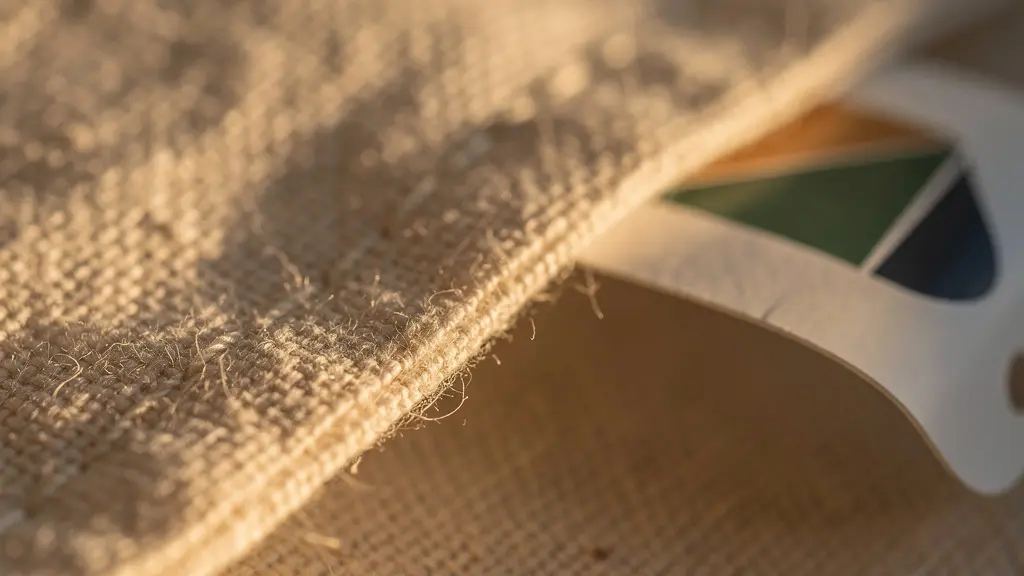
Your primary tool is the composition tag. This small piece of fabric tells you everything about the item’s potential for longevity and recyclability. A garment made of 95% or more of a single, natural material (like organic cotton, linen, TENCEL™ Lyocell, or wool) is a much better investment. Blended materials, especially those with small percentages of synthetics like elastane or polyester, are often impossible to recycle and can indicate lower quality. The image below highlights where to look for these crucial details.
Beyond composition, look for globally recognized certification logos. Seals like GOTS (Global Organic Textile Standard), Fair Trade, or B-Corp are the gold standard. They are independent, third-party verifications that guarantee specific environmental and labor standards have been met throughout the supply chain. Learning to recognize these symbols is like having a superpower that cuts through marketing noise instantly.
Your 30-Second Label-Reading Checklist
- Material Composition: Look for 95%+ single, natural material (e.g., organic cotton, linen, wool) for true recyclability. A 5% synthetic blend can make the entire garment unrecyclable.
- Verify Certifications: Scan for official logos like GOTS, Fair Trade, or B-Corp. Ignore vague, uncertified claims like “eco-friendly” or “conscious.”
- Country of Origin: Note the country of manufacture. You can cross-reference this with resources like the ITUC Global Rights Index to get a sense of labor standards.
- Spot Greenwashing Terms: Be skeptical of any “green” term that isn’t backed by a specific, verifiable certification mark directly on the label.
- Check for Transparency: Does the brand provide more information online about its factories and suppliers? A lack of transparency is a warning sign.
Denim or Wool: Which fabric foundation offers the most versatility for a year-round capsule?
Once you can spot true quality, the next strategic decision is choosing the core fabric for your capsule wardrobe. This is your “fabric foundation”—the hardworking, versatile material upon which you’ll build the rest of your outfits. While personal style plays a role, the goal for a budget-conscious capsule is to maximize wearability across seasons. The two top contenders for this role are often high-quality denim and merino wool. Both are durable and classic, but one offers a distinct advantage in versatility, which translates directly to a lower Cost Per Wear.
Denim is a rugged, timeless classic. A great pair of ethically made jeans can be dressed up or down and lasts for years. However, its comfort is limited to cooler and transitional weather. In the heat of summer or the deep cold of winter, denim can be uncomfortable—either too hot or not insulating enough. This limits its true year-round potential in many climates.
Merino wool, on the other hand, is a performance powerhouse. Its natural fibers are thermoregulating, meaning they help keep you cool in the heat and warm in the cold. It’s also naturally odor-resistant, which means less frequent washing, extending the life of the garment and saving resources. A lightweight merino wool sweater or t-shirt can be a base layer in winter, a standalone piece in spring and fall, and a comfortable option on cool summer evenings. This incredible versatility is what makes it a superior investment for a small, hardworking wardrobe.
Case Study: The Power of Merino Wool in Practice
The B-Corp certified brand Encircled conducted studies on the use of pieces from their collections. Their findings confirm the superior utility of wool. As noted in an analysis of capsule wardrobe performance, their research shows that a single merino wool piece can be comfortably worn for over 250 days per year in temperate climates. This is a significant increase compared to the roughly 180 days a year that typical denim pieces are worn. This data proves that investing in a merino wool foundation can drastically increase the versatility and lower the overall CPW of your core wardrobe items.
The mistake of throwing away all your fast fashion items at once to “go green”
You’re inspired. You’ve crunched the numbers on Cost Per Wear and you’re ready to embrace ethical fashion. The first, most common impulse is to purge your closet of everything from your fast-fashion past. This is a mistake. A sudden, drastic “wardrobe cleanse” is not only wasteful but also financially counterproductive. The most sustainable item of clothing is the one you already own. Throwing away perfectly wearable clothes only adds to the landfill problem and forces you into a rushed, expensive shopping spree to replace everything at once, which goes against the very principle of a thoughtful, curated capsule.
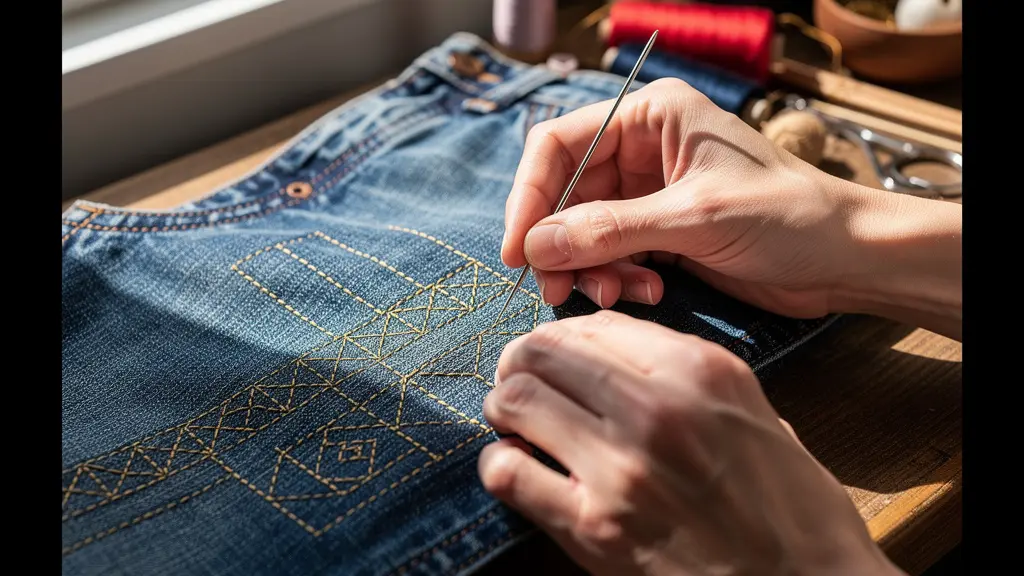
Instead, view this as a thoughtful transition phase. Your existing clothes are your allies. They are the bridge that allows you to build your ethical wardrobe slowly and strategically, without pressure. Start by taking stock of what you have. You might find you already own pieces that can form the basis of a capsule. For those that don’t fit your new vision, consider alternatives to the trash bin. Can an item be repaired, altered, or upcycled? Learning a simple mending technique, like the beautiful Japanese art of Sashiko shown below, can transform a worn-out favorite into a unique statement piece.
This transition period also helps you refine your personal style. Use a system like the “Project 333” challenge (choosing 33 items to wear for 3 months) with your existing clothes to identify what you truly love and wear. This practice prevents costly purchasing mistakes later on. As your fast-fashion items naturally wear out, you can replace them one by one with high-quality, ethical pieces you’ve carefully researched. This gradual approach is kinder to your wallet and the planet. Plus, a well-organized capsule wardrobe has an incredible side benefit: according to some estimates, a capsule wardrobe can save up to 15 minutes getting dressed each morning, adding up to nearly 100 hours a year.
When to buy ethical winter gear: Why shopping off-season saves you 40%
You have your financial framework, your label-reading skills, and a transition plan. Now for the most practical, budget-saving tactic of all: strategic acquisition. The biggest mistake you can make is buying an item when you desperately need it. Buying a winter coat in the first cold snap of November is a recipe for paying full price. A savvy wardrobe investor thinks like a retailer and buys when demand is lowest. This means shopping off-season.
Ethical brands, just like conventional ones, need to clear out inventory to make room for new collections. This creates predictable sales cycles you can use to your advantage. The best time to buy a high-quality, ethical winter coat—often the most expensive piece in a capsule—is in March or April. During these end-of-season sales, you can often find discounts of 40% to 60% on pristine, built-to-last items. The same logic applies to other seasonal items: buy sandals in September, and wool sweaters in late spring. This single habit can save you hundreds of dollars, making that $1,000 budget not just achievable, but comfortable.
Beyond seasonal sales, there are other smart-shopping tactics. Many ethical brands have a permanent “Archive Sale” or “Past Season” section on their websites. It’s a goldmine for classic styles at a reduced price. Another fantastic option is looking for “Imperfects” or “Seconds” sales, where you can get items with tiny, often unnoticeable cosmetic flaws for a significant discount. Planning for these purchases is key. A practical tip is to set up a “sinking fund”—a dedicated savings account where you put aside a small amount each week. Saving just $20 a week for six months gives you nearly $500, enough to afford a top-tier ethical winter coat during an off-season sale without any financial stress.
- Shop Winter Coats in March-April: This is when you’ll find the steepest end-of-season discounts, often 40-60% off.
- Scour “Archive” & “Past Season” Sales: Check brand websites year-round for these hidden gems.
- Embrace “Imperfects”: Sign up for newsletters to be notified about “Seconds” sales for items with minor flaws at 30-60% off.
- Track Key Dates: Keep an eye out for special promotions around Earth Day (April 22) and brand anniversary dates.
Why a subscription model costs you $3,000 more over 5 years than perpetual licenses?
This question, though it sounds like it’s about software, perfectly captures the hidden financial trap of fast fashion. Think of fast fashion as a mandatory, low-quality subscription service for your closet. You pay a small fee—$20 for a t-shirt, $40 for a dress—over and over again. Each item has a built-in expiration date, forcing you to “renew your subscription” every few months as pieces shrink, fade, or fall apart. Over five years, these small, recurring payments add up to a staggering sum, easily costing you thousands more than a one-time investment in quality.
An ethically made garment, by contrast, is a “perpetual license.” You pay a higher upfront cost, but you are buying an asset designed to last indefinitely. It’s a one-time purchase that grants you years, even decades, of use. There are no forced renewals, no hidden fees in the form of constant replacements. You own it, you control it, and it serves you reliably.
When you reframe your thinking this way, the choice becomes clear. Are you signing up for a costly, never-ending subscription that keeps you on a hamster wheel of consumption? Or are you making a single, smart investment that grants you stylistic freedom and long-term financial savings? Breaking free from the “subscription model” of fast fashion is the most profound step you can take towards building a wardrobe that is both ethical and economical.
Tomatoes or Potatoes: Which crop saves you more money at the grocery store?
This simple grocery dilemma offers a powerful analogy for diversifying your capsule wardrobe once your foundation is set. Think of potatoes as your core, workhorse items. They are like your merino wool sweaters or your perfect dark-wash jeans. Potatoes are versatile, durable, and available year-round. They can be baked, mashed, or fried—they form the reliable, cost-effective base of countless meals. They are your “potato pieces”: timeless, neutral, and endlessly adaptable.
Tomatoes, on the other hand, are more specialized. They can be spectacular when they are in season—a perfect, sun-ripened tomato is a true delight. But they are also more fragile, have a shorter shelf life, and are less versatile. They represent your “tomato pieces”: items that are more trend-driven, have a bold color or pattern, or are made for a specific occasion. They add flavor, personality, and excitement to your wardrobe, but they shouldn’t form the bulk of it.
A financially savvy capsule wardrobe, like a smart grocery budget, relies heavily on potatoes while using tomatoes strategically. The majority of your $1,000 budget should be allocated to acquiring high-quality “potato pieces” that offer maximum versatility and longevity. Once that foundation is solid, you can allocate a smaller portion of your budget to a few “tomato pieces” that bring you joy and express your unique style. This balanced approach ensures your wardrobe is both functional and expressive, without sacrificing financial discipline.
Key Takeaways
- Shift your mindset from price tag to Cost Per Wear (CPW); true value lies in durability, not the initial cost.
- Become a label detective: look for single-material compositions and trusted certifications like GOTS or B-Corp to avoid greenwashing.
- Plan your purchases strategically by shopping off-season and utilizing archive sales to acquire high-quality pieces at a significant discount.
How to Insulate Your Home with Hemp or Wool for Better Thermal Regulation?
Building an ethical capsule wardrobe is, in essence, an act of insulating your life. Just as you insulate your home with quality materials like wool to protect yourself from the elements, maintain a comfortable temperature, and reduce long-term energy costs, you build a capsule wardrobe to protect yourself from the chaos of consumer trends, regulate your daily life, and reduce long-term financial and mental expenditure. A well-insulated home provides a stable, serene environment, regardless of the weather outside. A well-curated wardrobe does the same for your personal and professional life.
Each carefully chosen, ethically made piece acts as a layer of this insulation. Your merino wool sweater provides literal thermal regulation, but it also provides a form of decision-making insulation. It eliminates the morning stress of “what to wear.” Your perfectly fitting, durable jeans insulate you from the pressure to buy into fleeting denim trends. Your entire capsule works as a system to create a stable, reliable, and personally authentic shelter against the storm of fast fashion’s constant demands for “newness.”
This process is a one-time investment in long-term comfort and efficiency. It takes planning and an initial outlay, but the dividends are paid back for years to come—in money saved, in time reclaimed, and in the peace of mind that comes from living in alignment with your values. You are not just buying clothes; you are building a more resilient, efficient, and serene life.
You now have the complete financial and strategic blueprint. The next step is to move from planning to action. Start by assessing your current wardrobe not as a collection of old clothes, but as a portfolio of assets waiting to be optimized. Your journey to a stylish, sustainable, and affordable wardrobe begins today.